First Steps in an Emergency: Safety Check, Then Call
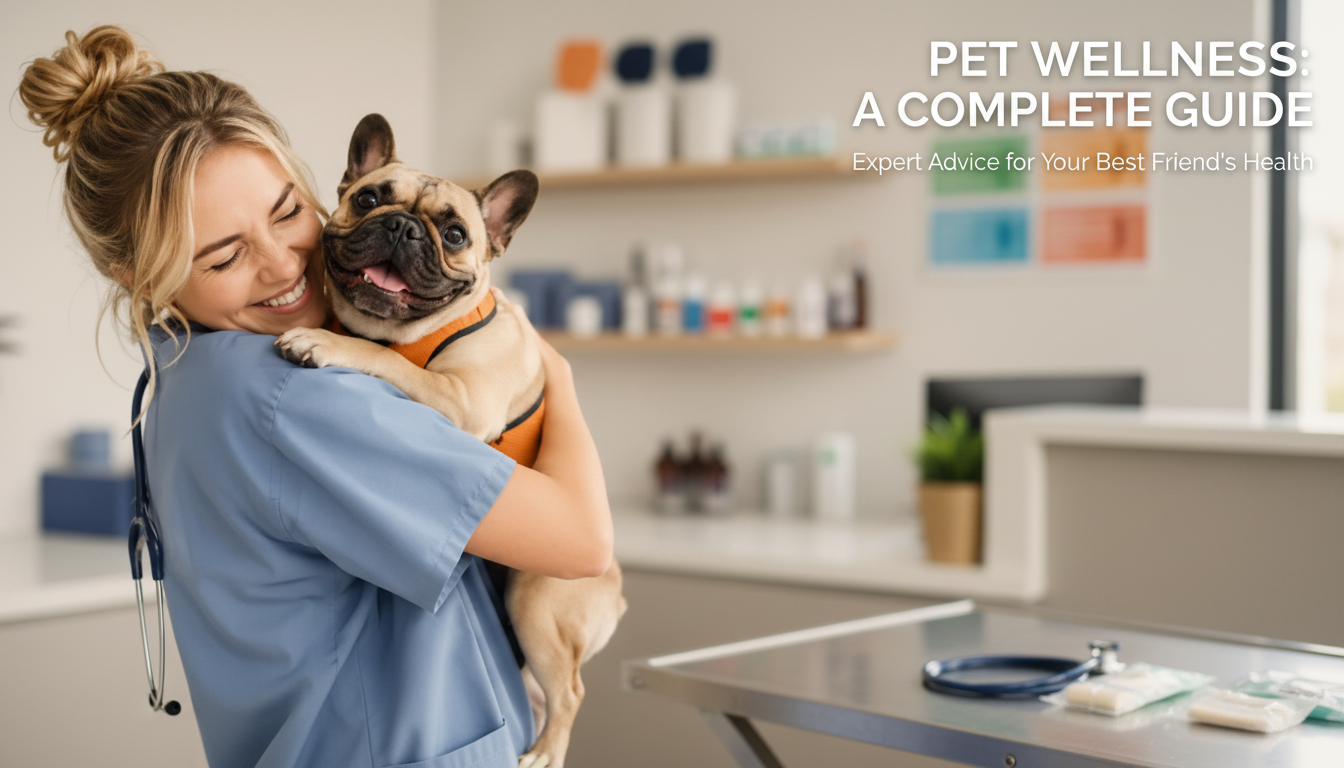
What is the first thing to do during an emergency?
The first thing to do during an emergency is to pause for a quick safety check—of yourself, the scene, and anyone (or any pet) involved—then call for help if it’s life-threatening. Rushing in can turn one emergency into two, especially around traffic, fire, broken glass, aggressive animals, or electrical hazards.
1) Make sure the scene is safe
Look for immediate dangers and move to a safer area if possible. If you’re helping a pet, keep your hands away from the mouth—pain can trigger biting even in gentle animals. If there’s any risk of collapse, fire, or ongoing threat, back away and get professional help first.
2) Get help right away when it’s urgent
If someone isn’t breathing, is bleeding heavily, is unconscious, is having a seizure, or you suspect poisoning, call 911 (for people) or an emergency veterinarian/poison hotline (for pets) immediately. Put the phone on speaker so you can follow instructions while acting.
3) Do a fast, simple check and take one critical action
Scan for the biggest threat: breathing, severe bleeding, or choking. If trained, start CPR only when it’s truly needed (no breathing/no pulse for humans; your vet can guide you for pets). For heavy bleeding, apply firm direct pressure with a clean cloth and keep pressure steady.
4) Keep calm, document basics, and prepare to transport
Note what happened, when it started, and any exposures (foods, meds, chemicals). For pets, this info helps a vet act faster. If you need a quick, printable reference for common pet emergencies, see the Printable Pet First Aid Cheat Sheet for Emergencies.
For First Steps in an Emergency: Safety Check, Then Call, the best answer depends on fit, material, care instructions, and how the product will be used day to day.
FAQ
What should you keep in a basic emergency first aid kit?
Include gloves, gauze, adhesive tape, antiseptic wipes, a digital thermometer, tweezers, scissors, and a clean towel. For pets, add a muzzle or soft wrap, a leash, and your vet’s phone number.











Leave a comment