Guided Self-Love Meditations: Worthiness, Calm & Confidence
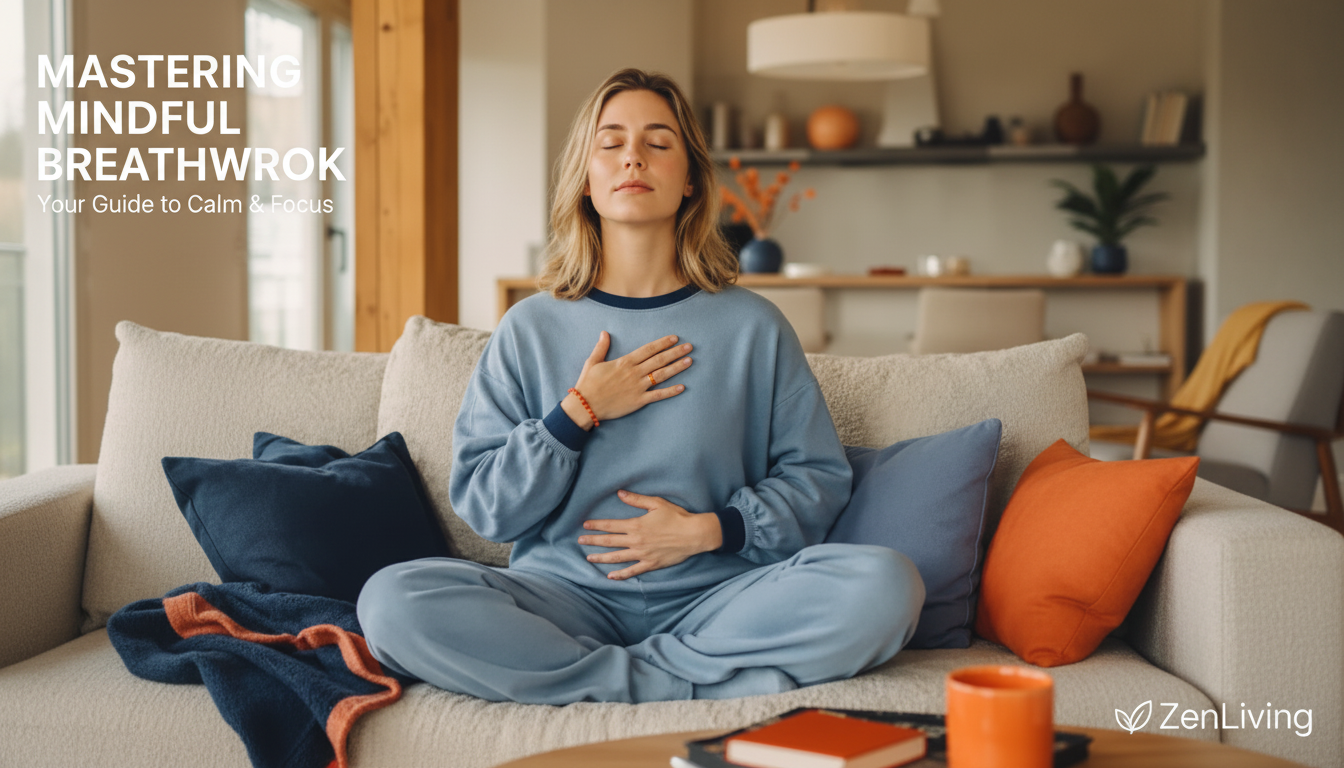
Meditations for Self-Love & Worthiness: Guided Audio for Confidence, Calm, and Inner Healing
Self-love and worthiness are skills that can be practiced, not traits that must be earned. A structured audio course can make the practice simpler by guiding attention, soothing the nervous system, and reinforcing supportive beliefs through mindfulness and affirmations—especially on days when motivation is low or emotions feel intense.
What “self-love” practice looks like in real life
Self-love isn’t constant positivity. It’s the habit of meeting your inner experience with warmth instead of criticism, even when uncomfortable feelings show up. Over time, that changes what “normal” feels like inside your mind and body.
- Building the habit of responding kindly to stress, shame, or uncertainty rather than piling on more pressure.
- Noticing the difference between healthy accountability and harsh self-talk; replacing “what’s wrong with me?” with “what do I need right now?”
- Practicing worthiness as permission to rest, receive support, set boundaries, and take up space without overexplaining.
- Using short, repeatable audio sessions to reduce decision fatigue and create consistency when life feels busy.
This is where guided practice helps: instead of having to “figure out” what to do, you can press play and let the session carry you through a reliable sequence—settle the body, notice the mind, then choose a more supportive inner stance.
Why guided meditations and affirmations can help confidence and calm
Confidence and calm often rise together when the nervous system gets more consistent signals of safety. Guided meditation provides an external anchor (voice, pacing, prompts) that supports focus when the mind is busy or emotionally charged.
- Mindfulness practice helps you recognize self-judgment as a passing mental event rather than a fact.
- Affirmations can reinforce new self-concepts when paired with emotion regulation (breath, body awareness) and repeated over time.
- Calm grows when the body learns safety signals: slower breathing, softer attention, and reduced threat scanning.
For an evidence-informed foundation, resources like NCCIH’s overview on meditation and mindfulness, Kristin Neff’s self-compassion research, and the structure behind Mindfulness-Based Stress Reduction (MBSR) all point to the value of consistent, guided practice for stress resilience and emotional well-being.
A simple way to use the audio course (without adding pressure)
The most supportive routine is the one that doesn’t feel like another performance metric. Keep it cue-based and flexible: same cue, adjustable duration.
- Choose a consistent cue: after brushing teeth, before work, or during an evening wind-down.
- Start with 5–10 minutes for the first week; increase only when it feels supportive rather than forced.
- Pair the session with one small action that proves self-respect (drink water, stretch, say no to one unnecessary task).
- If emotions intensify, return to grounding: feel feet on the floor, lengthen the exhale, and reduce the session length.
7-Day Listening Flow (adapt for 5–20 minutes)
| Day | Focus | Suggested practice | One small follow-up action |
|---|---|---|---|
| 1 | Safety and settling | Breath + body scan | Step outside for 2 minutes of fresh air |
| 2 | Self-compassion | Gentle phrases + soothing touch (hand on heart) | Write one kind sentence to yourself |
| 3 | Worthiness | Affirmations with slow exhale | Accept one compliment without deflecting |
| 4 | Confidence | Visualization of a steady, capable self | Do one avoided 5-minute task |
| 5 | Inner healing | Reassurance for the “younger self” part | Choose one boundary for the week |
| 6 | Calm under stress | Grounding + breath pacing | Reduce one stressor (mute notifications for an hour) |
| 7 | Integration | Review: favorite track + gratitude | Plan next week’s cue and time |
Common blocks—and what to do when they show up
Resistance doesn’t mean you’re doing it wrong. It usually means a protective part of you is wary of change—especially if you learned early that self-criticism equaled motivation.
Making the practice feel personal: themes to rotate
Meditations for Self-Love & Worthiness Audio Course
Meditations for Self-Love & Worthiness audio course is designed as guided audio sessions that blend meditation, affirmations, and mindfulness to support confidence, calm, and emotional healing. It’s a low-friction way to practice—useful in the morning, on a break, or as part of a bedtime wind-down.
On high-pressure days, pairing the course with a short reset can help the benefits “stick” when you need them most. For a practical add-on, Break the Tension: Stress Relief Techniques – Breathing Exercises, Quick Meditations, Grounding Techniques, and Time Management Tips to Reduce Stress offers quick, structured options for breath pacing, grounding, and fast stress downshifts.
And because self-worth often shows up in relationships through boundaries, communication, and emotional repair, Positive Parenting Tips Guide | Gentle Parenting eBook can be a supportive complement for anyone practicing calmer responses and more empathic language at home—skills that also reinforce a kinder inner voice.
FAQ
How often should guided self-love meditations be practiced to notice a difference?
Three to five days per week is a realistic range for most people, with consistency mattering more than session length. Track changes in mood, self-talk, and reactivity for 2–4 weeks to spot subtle improvements.
What if affirmations make self-criticism louder?
Switch to softer, more believable statements (such as “I’m practicing being on my side”) and pair them with slow, grounding breaths. If resistance spikes, use compassion-based phrases first, then return to affirmations when your body feels steadier.
Can these meditations be used before sleep?
Yes—many people find them especially helpful at bedtime when the goal is downshifting. Keep volume low, slow your breathing, and choose calming tracks; if visualization energizes you, pick body-based relaxation instead.












Leave a comment